
How to Secure Your D...
How to Secure Your Domain with DNSSEC
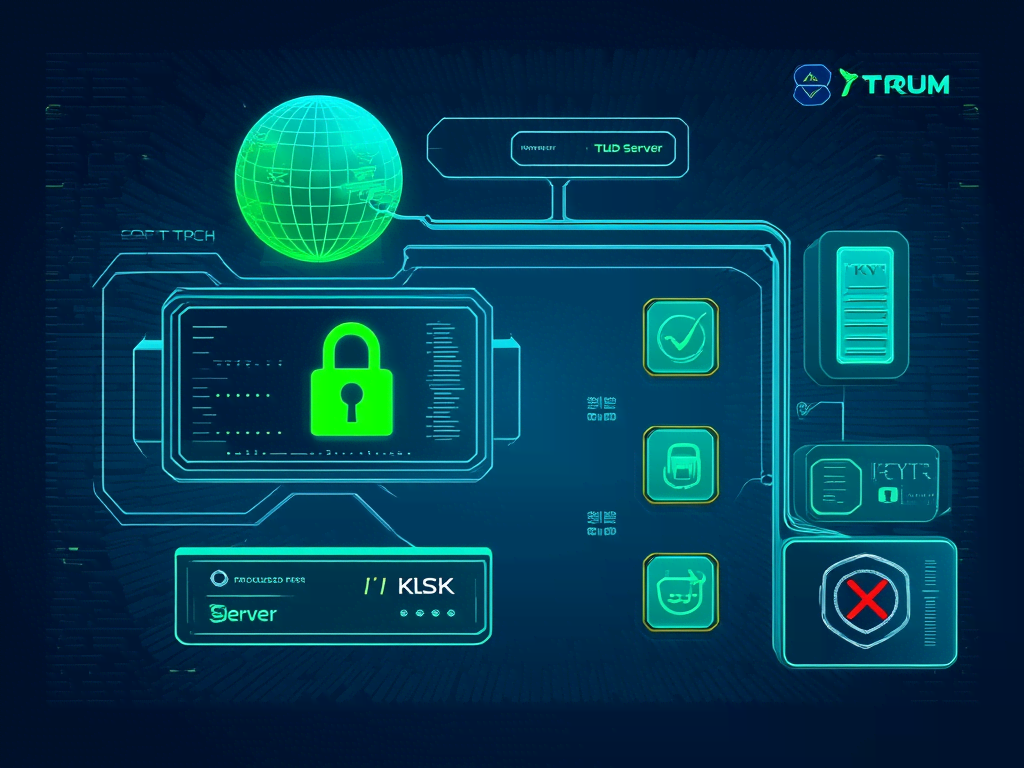
How to Secure Your Domain with DNSSEC
How to secure your domain with DNSSEC
შესავალი
In the vast digital landscape, where every click could lead us to new heights or perilous pitfalls, securing your domain isn’t just an option; it’s an absolute necessity. Think of your website as your home on the Internet. Would you leave the front door wide open, inviting unwanted intruders? Absolutely not. This is where DNS Security Extensions (DNSSEC) come into play—a robust technology that acts like a security system for your domain, defending against the lurking shadows of cyber threats such as DNS spoofing and hijacking.
Understanding DNSSEC and Its Importance
What is DNSSEC?
At its core, DNSSEC is a set of protocols designed to protect the integrity and authenticity of information provided by the Domain Name System (DNS). When a user tries to access your site by typing your domain name, DNSSEC ensures they land on the genuine version of your site, not a deceptive replica set up by malicious actors. It does this through public/private key cryptography, signing DNS records to affirm their legitimacy.
Key Features of DNSSEC
- Digital Signatures: Just like signing a legal document, DNSSEC employs digital signatures that uniquely validate the information in DNS records.
- Chain of Trust: DNSSEC builds a trust hierarchy, confirming each level from the root DNS servers to your domain, creating a fortress of trust that stands strong against attempts to manipulate data.
- Backward Compatibility: Even if your domain isn’t secured with DNSSEC, it ensures that access remains possible, allowing both secure and non-secure domains to coexist on the internet.
- Protection from Attacks: It fortifies defenses against DNS hijacking, where attackers could redirect traffic to their phishing sites, leading to data breaches and loss of user trust.
Why Is DNSSEC Critical?
- Prevention of DNS Cache Poisoning: Imagine a hacker tossing a grenade into your online operations; DNS cache poisoning can reroute users to fake sites. DNSSEC thwarts this by validating and verifying DNS data before it reaches users.
- Compliance Requirements: In an era where online security is paramount, many regulations necessitate the use of DNSSEC for secure communication and data integrity.
- Foundation for a Secure Internet: DNSSEC contributes significantly to ensuring the internet remains a safe space for users to navigate, fostering trust and security in digital communications.
How to Implement DNSSEC on Your Domain
Embarking on the journey of implementing DNSSEC can seem daunting, but breaking it down into digestible steps makes it achievable. It's vital to understand that you need a signed Top-Level Domain (TLD), registrar support, and DNS hosting support.
Step 1: Verify TLD and Registrar Support
First thing’s first: check if your TLD supports DNSSEC, and most major ones do. Then, verify if your registrar offers DNSSEC services—a quick visit to ICANN's registrar list can be a valuable resource.
Step 2: Enable DNSSEC in Your Domain Settings
- Domain Management Panel: Log in to your domain registrar’s portal.
- Enable DNSSEC: Search for the DNSSEC section and enable it.
- Key Generation: This is where the magic occurs. Generate a Key Signing Key (KSK) and a Zone Signing Key (ZSK), two cryptographic keys serving different purposes, essential for domain security.
Step 3: Configure DNS Hosting Provider
Your DNS hosting provider must not only support DNSSEC but also offer automated tools for key generation and signing. Alternatively, you may choose to manage a DNS server, like BIND 9, yourself.
Step 4: Publish DS Records
Once your DNS zone is signed, you have to inform your registrar by providing the Delegation Signer (DS) records, linking your validated zone to the DNS hierarchy. These records contain key tags, algorithms, and public key hashes essential for resolution.
Step 5: Configure Key Rollovers and Maintenance
To maintain robust security, implement automated key rollovers. A suggestion might be to roll over ZSK keys every 90-180 days, while KSK keys can be retained for longer—up to 1-2 years. Regular maintenance ensures that you stay relevant in the ever-evolving cybersecurity landscape.
Example Setup Using BIND 9
Here’s a pseudo-guide to illustrate the process:
- Generate keys and sign your DNS zones.
- Update configuration files on your authoritative servers to recognize DNSSEC keys.
- Provide DS records to your registrar.
- Monitor DNSSEC status regularly to catch any errors.
Best Practices and Tips for DNSSEC Management
- Choose Secure Key Lengths: Steer clear of weak keys; prefer standards like 256-bit ECDSA or 2048-bit RSA keys, ensuring you balance security with performance.
- Automate Rollovers: Save yourself from human error; create scripts for automatic key rollovers, ensuring your domain’s security remains intact over time.
- Test Before Deploying: Utilize staging environments to validate configurations before making any changes live.
- Combine With Other Security Measures: Don’t put all your eggs in one basket; pair DNSSEC with SSL/TLS certificates for a multi-layered security strategy that shields both data integrity and traffic encryption.
- Monitor DNSSEC Status: Regularly audit your DNSSEC records to ensure they are up-to-date and functioning correctly.
Professional Example
Imagine a mid-sized tech company that hosts its DNS with a registrar that supports DNSSEC. They've enabled automated key rollovers, significantly reducing phishing attempts as attackers failed to hijack their secured DNS records, preserving their reputation and customer trust.
DNSSEC is an essential component in the armor of your digital domain. Just like an effective security system safeguards a home, DNSSEC keeps your online space fortified against malicious incursions. With a little diligence and commitment to best practices, you’ll not only enhance your domain’s security posture but also contribute to a safer Internet for everyone.
Conclusion
The implementation of DNSSEC is not just a technical add-on; it's a commitment to creating a secure online environment for yourself and your users. As the internet is constantly evolving, so too are the tactics employed by cybercriminals. By arming your domain with DNSSEC, you establish a powerful line of defense.
Recap of Key Steps
To ensure you follow through effectively, let’s recap the steps involved in implementing DNSSEC:
- Verify TLD and Registrar Support: Check that your TLD supports DNSSEC and find a registrar that offers this service.
- Enable DNSSEC in Domain Settings: Use your domain management panel to activate DNSSEC and generate the necessary keys.
- Configure DNS Hosting: Work with a host that supports DNSSEC, or manage it yourself with tools like BIND 9.
- Publish DS Records: After signing your DNS zone, provide the necessary DS records to your registrar to establish the chain of trust.
- Key Rollovers and Maintenance: Implement regular key management practices to keep your domain fortified.
Best Practices Recap
To ensure ongoing security, don’t forget these best practices:
- Opt for strong key lengths and regular automated rollovers to minimize vulnerabilities.
- Always test your configuration before deploying it live, and regularly monitor your DNSSEC status to catch any anomalies or expirations.
- Combine DNSSEC with other security measures, like SSL/TLS, for comprehensive protection.
The Bigger Picture
By adopting DNSSEC, you're not just protecting your domain; you’re contributing to the bigger picture of a secure internet. Every domain secured with DNSSEC adds another block to the foundation of trust that users need. It reflects your commitment to safety, security, and a trustworthy browsing experience. Users are more likely to engage with platforms that demonstrate credibility and integrity.
Remember, your online reputation is vital, and implementing DNSSEC significantly reduces your risk profile, fostering trust among your audience. As cyber threats become more advanced, your proactive approach to securing your domain will serve as your shield against potential dangers.
Resources and Further Learning
For those eager to deepen their understanding, various resources are available to guide you through more intricate configurations or scenarios. Consider these resources:
- Video: DNSSEC Setup for Beginners
- Video: Understanding DNSSEC Implementation
- Video: Best DNS Security Practices
In the realm of online security, knowledge is power. Equip yourself with the tools and insights needed to stand strong against cyber threats, and let DNSSEC be your trusted ally in navigating the vast digital landscape. Taking these steps not only secures your domain but also contributes to a safer and more resilient internet for us all.
References
- [1] Understanding DNSSEC: What You Need to Know
- [2] DNSSEC Rollovers and Best Practices
- [3] The Importance of Secure DNS Communications
- [4] Cybersecurity Frameworks and Compliance
- [5] How to Manage DNSSEC for Your Domain
- [10] Publishing DS Records: A Step-by-Step Guide
- [14] Testing Your DNSSEC Setup
- [17] Building a Secure Internet with DNSSEC
- [20] Practical Implementation of DNSSEC
- [21] Regular DNSSEC Status Monitoring Techniques
Embrace the power of DNSSEC today. Your domain deserves the utmost security, and so do your users.

